Trump attends return of fallen U.S. soldiers as Middle East conflict intensifies
President Donald Trump attended the dignified transfer of U.S. service members killed in Iranian strikes, highlighting the growing human cost of the escalating conflict in the Middle East. As military operations continue and tensions remain high, the solemn ceremony at Dover Air Force Base serves as a stark reminder that the confrontation is increasingly shaping both U.S. foreign policy and regional stability.
A solemn ceremony at Dover
President Donald Trump traveled to Dover Air Force Base in Delaware on Wednesday to attend the dignified transfer of U.S. service members killed during recent Iranian strikes in the Middle East. The ceremony, one of the military's most solemn traditions, honors fallen personnel as they are returned to American soil.
Family members of the fallen joined senior military leaders and government officials as flag-draped transfer cases were carried from a military aircraft by honor guards. Such ceremonies are held with military precision and are intended to pay tribute to those who lost their lives while serving their country.
The visit underscored the human consequences of a conflict that has continued to intensify despite ongoing diplomatic efforts.

Conflict continues to escalate
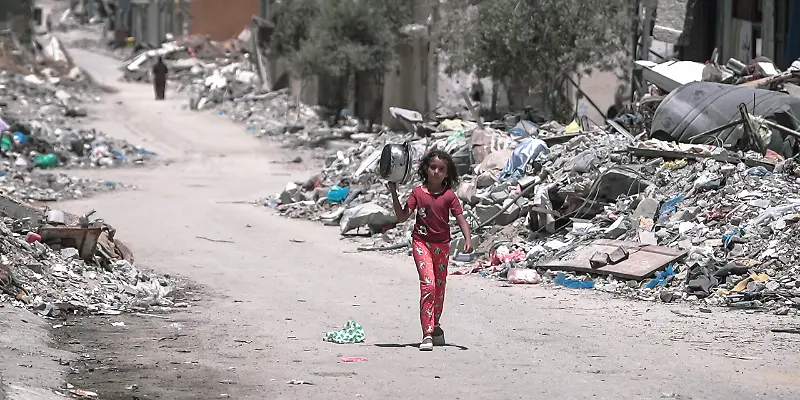
The latest casualties come amid an increasingly volatile security situation across the Middle East. U.S. forces have continued military operations targeting Iranian military infrastructure and affiliated armed groups following a series of attacks against American personnel and regional allies.
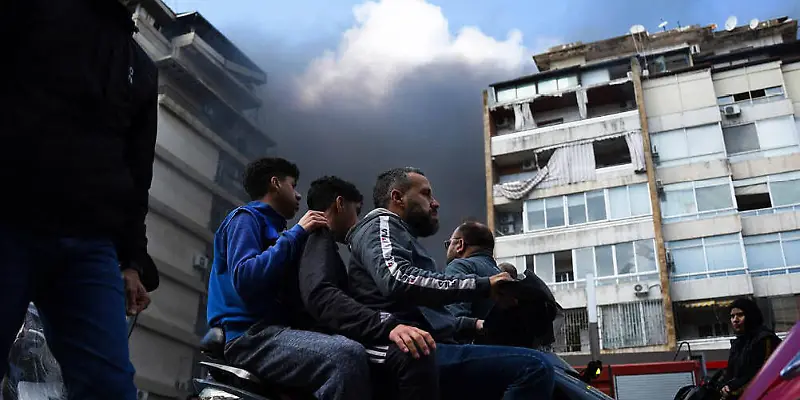
Iran and its allied groups have responded with missile and drone attacks against U.S. positions and strategic facilities, raising concerns that the confrontation could expand beyond its current scope. Although both sides have signaled that they wish to avoid a wider regional war, repeated exchanges have kept tensions at their highest level in years.
Military analysts warn that every new exchange increases the risk of miscalculation and could draw additional regional actors into the conflict.
Political pressure in Washington
The conflict is also becoming an increasingly important issue in domestic U.S. politics.
While President Trump has defended the military response as necessary to protect American personnel and interests abroad, members of both parties in Congress have called for greater clarity regarding the administration's long-term objectives. Lawmakers continue to debate the scale, duration and potential consequences of the ongoing military campaign.
The return of fallen service members inevitably brings renewed public attention to the costs of military engagement overseas and raises difficult questions about how the conflict may evolve in the coming months.
Regional and global implications
Beyond the battlefield, the confrontation carries significant geopolitical and economic consequences.
Continued instability in the Middle East has renewed concerns about the security of major energy routes, including the Strait of Hormuz, through which a substantial share of the world's oil supply passes. Any disruption to shipping in the region could affect global energy markets and increase pressure on already fragile supply chains.
Governments across Europe and the Middle East continue to urge restraint while diplomatic channels remain active. However, prospects for a negotiated de-escalation remain uncertain as military operations continue.
Looking ahead
The dignified transfer at Dover Air Force Base was more than a ceremonial event. It served as a visible reminder of the human cost of a conflict that continues to shape security, diplomacy and politics far beyond the Middle East.
As military operations persist and diplomatic efforts struggle to gain momentum, the coming weeks are likely to be critical in determining whether the confrontation can be contained or whether it risks expanding into a broader regional crisis.