Trump's Gaza Plan Faces Uncertainty as Hamas, Israel and Regional Powers Navigate a Fragile Future
U.S. President Donald Trump has presented a new framework aimed at reshaping the future of Gaza after years of conflict, including proposals for reconstruction, security arrangements and a different political structure. But with Hamas, Israel and regional powers facing major disagreements, the path toward a lasting solution remains uncertain.
The future of Gaza remains one of the biggest challenges in international politics as efforts to end the conflict enter a new and uncertain phase. U.S. President Donald Trump has promoted a new framework focused on ending the fighting, rebuilding the territory and creating a new political and security arrangement. However, major questions remain over how such a plan could be implemented and who would shape Gaza's future.
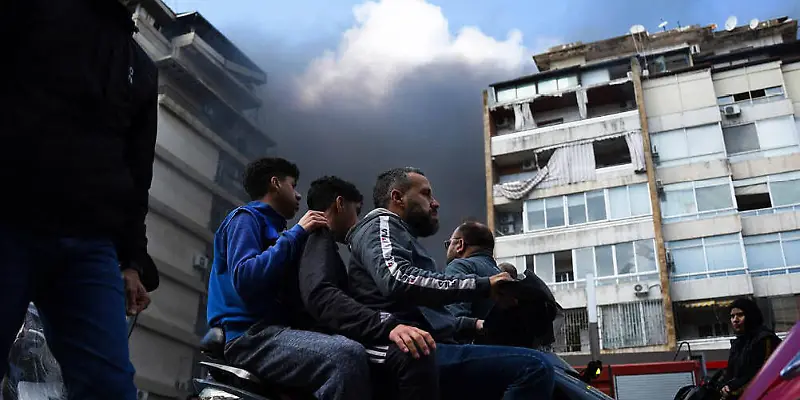
The humanitarian situation remains at the center of international attention. Large parts of Gaza have been severely damaged by the conflict, leaving millions of people facing enormous challenges related to housing, food, healthcare and basic infrastructure. International organizations and aid groups continue to warn that recovery will require extensive resources and long-term coordination.
A central issue in any future agreement is the role of Hamas. Trump and other international leaders have argued that Hamas cannot continue to control Gaza's security and political structures under a future settlement. Any plan involving disarmament or a transfer of authority, however, faces significant political and practical obstacles.
Israel has also emphasized security concerns, including preventing future attacks and ensuring that armed groups cannot rebuild their military capabilities. At the same time, Palestinian representatives and regional governments have raised questions about Gaza's governance, reconstruction and the political rights of its population.
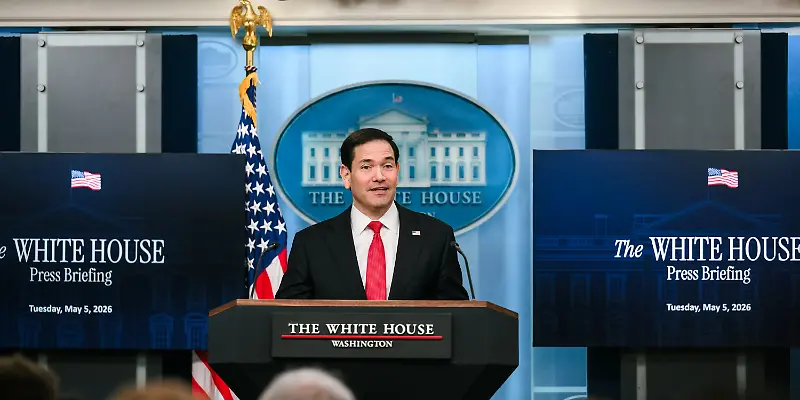
The United States has positioned itself as a key player in shaping discussions about Gaza's future. Trump's approach has focused on a combination of diplomacy, economic reconstruction and security guarantees, but the success of the initiative depends on cooperation from multiple actors with competing interests.
Regional powers, including Arab states, are expected to play an important role in any reconstruction effort. However, questions remain about funding, political legitimacy and whether a sustainable agreement can be reached without a broader solution to the Israeli-Palestinian conflict.
For Gaza's civilians, the debate over future plans is closely connected to immediate humanitarian needs. Beyond political negotiations, millions of people are waiting for stability, access to essential services and the possibility of rebuilding their lives.
The coming months will determine whether Trump's proposed framework can develop into a workable path toward stability or whether disagreements between the main parties will continue to block progress. The future of Gaza remains dependent on difficult negotiations involving regional and global powers.