Record Heatwave Grips Europe as Temperatures Top 40°C
Europe is enduring one of its most intense early-summer heatwaves in years, with temperatures surpassing 40°C across several countries and new national records being set. Emergency services have stepped up their response as authorities issue health warnings, cancel outdoor events and introduce measures to protect residents from the extreme heat.
Large parts of Europe are facing exceptional heat as an intense weather system continues to push temperatures to record levels across the continent. Germany, Czechia, Poland, Slovakia, Italy and several other countries have all experienced dangerous conditions, prompting authorities to issue severe heat warnings and activate emergency response measures.
Germany recorded a provisional all-time national temperature of 41.5°C in Drewitz, surpassing the previous record set just one day earlier. The heat has also produced exceptionally warm nights, offering little relief for residents and increasing health risks, particularly for older people and those with underlying medical conditions.
The heatwave has stretched far beyond Germany. Czechia recorded temperatures above 40°C, while Poland and Slovakia approached or exceeded their historic records. Denmark experienced its hottest day since nationwide records began in 1874, and Switzerland also reported its warmest June temperature on record. Across southern Europe, Italy continues to face prolonged extreme heat, with dozens of cities under the highest heat alert as concerns grow over drought and water shortages.

Several of Europe's hottest locations during the current heatwave include:
- Germany – 41.7°C in Coschen, setting a new all-time national temperature record (revised from the provisional 41.5°C recorded in Drewitz).
- Czechia – 41.9°C in Doksany, the highest temperature ever officially recorded in the country.
- Poland – 40.5°C in Słubice, establishing a new national temperature record.
- Hungary – 40.7°C in Budakalász, marking the country's highest temperature on record.
- Denmark – 37.0°C in Ødum, setting a new all-time national temperature record.
- Slovakia – Temperatures exceeded 40°C in several areas, while Bratislava experienced its hottest night on record, with temperatures remaining above 26°C.
- Northern Italy – Temperatures approached 40°C across several regions as heat alerts remained in effect and drought conditions worsened.
Emergency services have adopted unusual measures to help people cope with the extreme conditions. In Berlin, police used water cannons normally reserved for crowd control to spray visitors around major landmarks, while firefighters in several cities—including Prague—helped cool public spaces with powerful water jets. Authorities have also expanded drinking water stations and urged residents to remain indoors during the hottest hours of the day.
The scorching temperatures have also disrupted daily life across Europe. Outdoor concerts, festivals and sporting events have been cancelled or postponed in several countries as organisers responded to safety concerns. Rail operators have reported delays caused by overheated tracks, while some tram services have been suspended and power networks placed under increased pressure due to soaring electricity demand.
Health officials continue to warn that the greatest danger comes not only from daytime temperatures but also from the lack of overnight cooling. France has already reported around 1,000 excess deaths linked to the heatwave, most involving elderly people, while emergency services across Europe have responded to thousands of heat-related incidents. Authorities continue to advise people to stay hydrated, avoid strenuous outdoor activities and regularly check on elderly relatives and vulnerable neighbours.
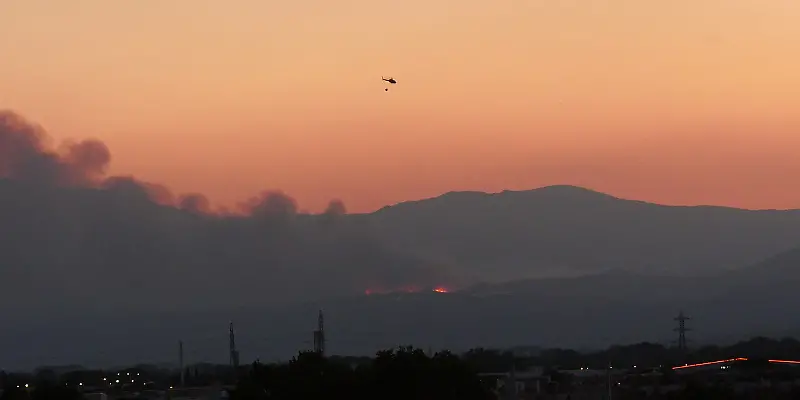
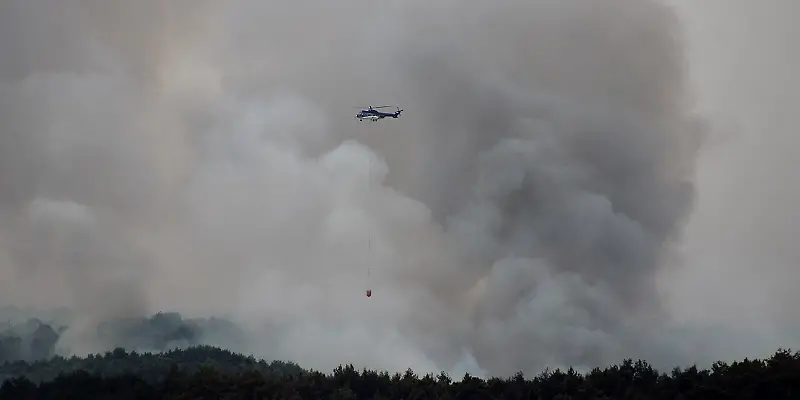
Meteorologists expect parts of Central and Eastern Europe to remain under extreme heat through the weekend before thunderstorms gradually bring cooler conditions to some regions. However, officials warn that wildfire danger, drought conditions and pressure on infrastructure are likely to persist even after temperatures begin to ease.