Canadian Wildfires Shroud Cities in Smoke as Air Quality Worsens
Thick smoke from hundreds of active wildfires burning across Canada has spread over major cities and drifted into parts of the United States, triggering widespread air quality alerts and health warnings. Firefighters continue to battle numerous blazes while authorities urge residents in affected areas to limit outdoor activities as hazardous conditions persist.
Massive wildfires burning across parts of Canada are continuing to send thick smoke across large areas of the country and into the United States, reducing visibility, disrupting daily life and prompting health officials to warn millions of residents about dangerous air quality.
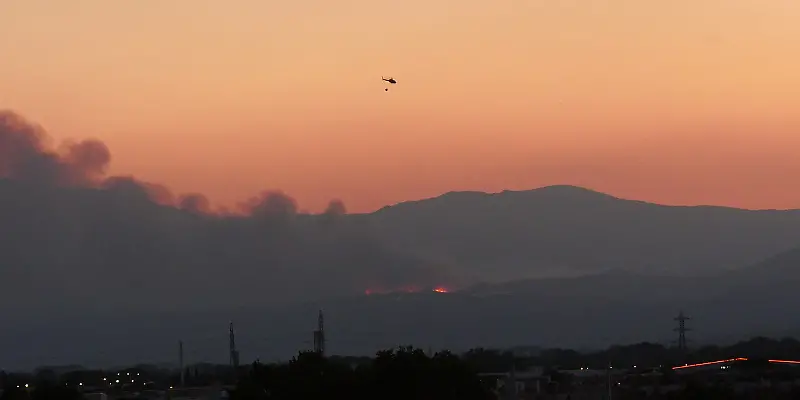
The most severe conditions have been reported in parts of northwestern Ontario, where numerous wildfires remain active. Emergency crews are working to contain the blazes, while some communities have been evacuated as changing weather conditions and dry vegetation continue to fuel the fires.
The smoke has spread far beyond the immediate fire zones. Toronto awoke under hazy skies as dense smoke reduced visibility and caused air quality to deteriorate. Similar conditions have been reported across parts of the Great Lakes region and the northeastern United States, with authorities issuing air quality alerts in several states.

Public health agencies are advising residents to stay indoors whenever possible, keep windows closed and avoid strenuous outdoor activities while smoke concentrations remain high. Older adults, young children, pregnant women and people with respiratory or cardiovascular conditions are considered particularly vulnerable to the effects of wildfire smoke.
Wildfire smoke contains fine particulate matter, known as PM2.5, which can penetrate deep into the lungs and enter the bloodstream. Even short-term exposure can irritate the eyes and throat, trigger coughing and breathing difficulties, and worsen existing health conditions such as asthma or heart disease.
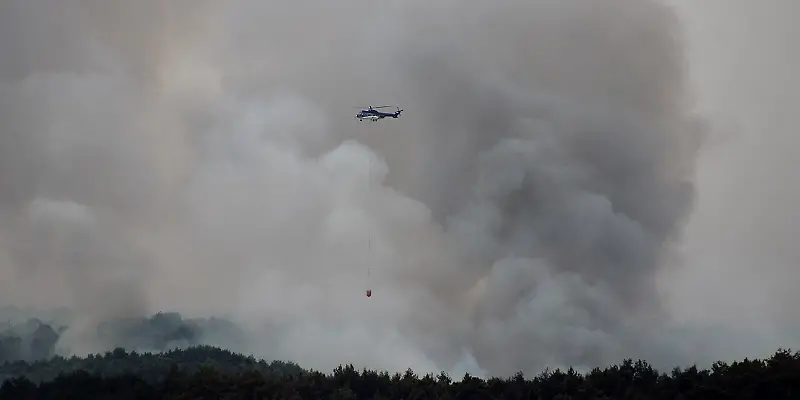
Canadian firefighters, supported by crews from other provinces and international partners, continue working around the clock to slow the spread of the fires. Officials say changing wind patterns, prolonged dry conditions and high temperatures have made firefighting efforts increasingly difficult in several regions.
Wildfires are a recurring part of Canada's natural landscape, particularly in remote forested areas. However, recent fire seasons have grown larger and more destructive, with experts pointing to a combination of warmer temperatures, prolonged drought and changing weather patterns that create conditions more favorable for large, fast-moving fires.
The smoke generated by these fires can travel hundreds or even thousands of kilometers depending on atmospheric conditions. As a result, communities located far from active fire zones may still experience hazardous air quality despite facing no direct threat from flames.
Authorities continue to monitor both fire activity and air quality forecasts, warning that conditions may change rapidly as weather systems shift. Residents in affected areas are encouraged to follow local emergency guidance and monitor official air quality updates before spending extended periods outdoors.
While firefighters work to contain the blazes, forecasters caution that smoke may continue to affect parts of Canada and the northern United States in the coming days if current weather patterns persist. Officials say protecting public health remains a priority as emergency responders confront another challenging wildfire season.