Israel Says Ground Operations in Southern Lebanon Will Continue Despite Ceasefire
A newly agreed ceasefire between Israel and Lebanon has come under immediate strain after Israel announced it would continue military operations in southern Lebanon. The move has raised concerns about the durability of the U.S.-brokered agreement and the prospects for reducing tensions along the volatile border.
Israel has said its military will continue ground operations in southern Lebanon despite a ceasefire agreement announced following U.S.-mediated talks with Lebanon.
Israeli Defence Minister Israel Katz said troops would remain deployed in parts of southern Lebanon and continue operations against what Israel describes as Hezbollah infrastructure. He added that residents displaced from some areas of southern Lebanon would not yet be allowed to return.
The announcement came just one day after Israel and Lebanon said they had agreed to implement a ceasefire aimed at reducing hostilities along the border. The deal includes plans for the Lebanese Armed Forces to take exclusive control of designated security zones near the frontier while limiting the presence of non-state armed groups.
However, the agreement remains fragile because Hezbollah was not a direct participant in the negotiations. The Iran-backed group has reportedly rejected elements of the arrangement and insists that any ceasefire must address the broader conflict rather than selected areas of Lebanon.
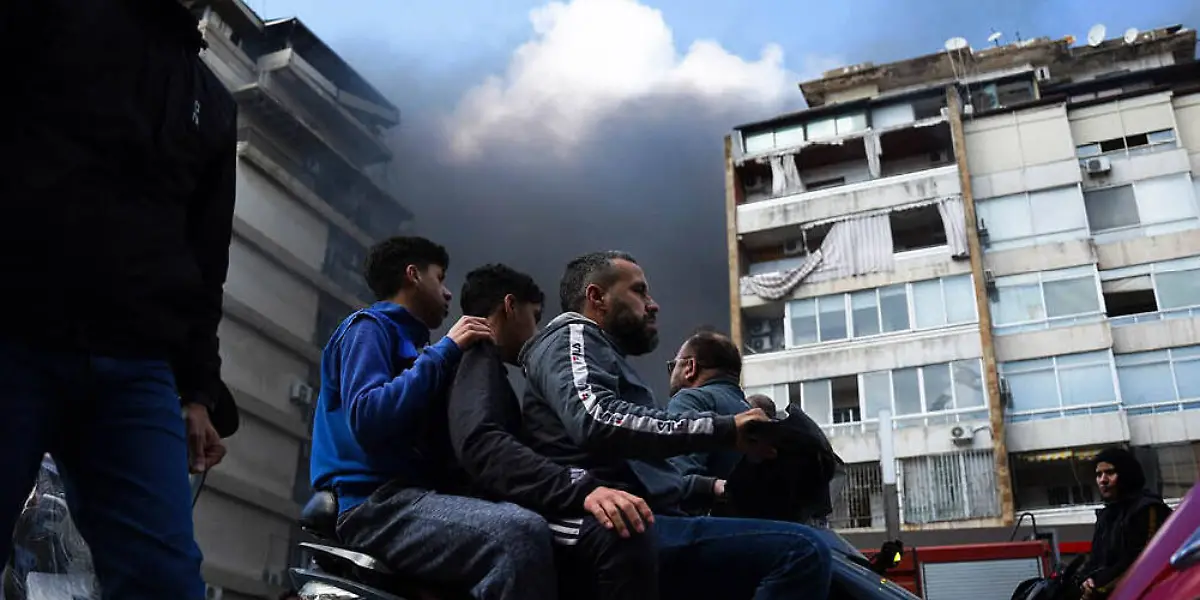
Despite the diplomatic breakthrough, violence continued on Thursday. Israeli strikes were reported in southern Lebanon, while military activity remained visible across the border region. Lebanese officials have described the ceasefire as a potential opportunity to restore stability, but implementation remains uncertain.
The conflict has displaced large numbers of civilians on both sides of the border and has intensified amid wider regional tensions involving Iran, Hezbollah and Israel. International mediators hope the ceasefire could create momentum for broader diplomatic efforts, although continuing military operations threaten to undermine those prospects.
Israeli officials maintain that military action is necessary to prevent future attacks and to secure the border area. Lebanese leaders, meanwhile, have called for the ceasefire to be fully implemented and for hostilities to end before the situation escalates further.
With fighting continuing despite the agreement, attention is now focused on whether the ceasefire can survive its first days and whether all parties involved will ultimately commit to its terms.