Trump, Infantino and FIFA: Red Card Controversy Overshadows World Cup
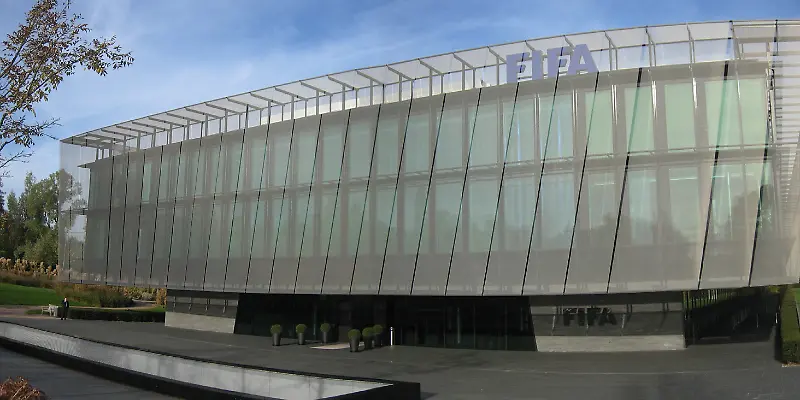
The 2026 FIFA World Cup has been overshadowed by a growing controversy after FIFA suspended U.S. striker Folarin Balogun's automatic one-match ban following a reported phone call between U.S. President Donald Trump and FIFA President Gianni Infantino. While FIFA maintains that the decision was taken through its disciplinary procedures, the timing has prompted criticism from football officials, national associations and fans, raising fresh questions about transparency, governance and the relationship between politics and the world's most popular sport.
One of the biggest talking points of the 2026 FIFA World Cup is no longer a spectacular goal or a tactical masterclass—it is a disciplinary decision that has placed FIFA under intense international scrutiny.
The controversy began after United States forward Folarin Balogun received a straight red card during his team's knockout-stage victory over Bosnia and Herzegovina. Under FIFA regulations, the dismissal carried an automatic one-match suspension, ruling the striker out of the Round of 16 clash against Belgium.
That changed dramatically on Sunday.

FIFA announced that Balogun's suspension had been suspended under Article 27 of its disciplinary regulations, making the striker immediately eligible to face Belgium. The governing body did not initially provide a detailed public explanation for the exceptional move, which is regarded as highly unusual during a World Cup tournament.
The announcement came shortly after reports emerged that U.S. President Donald Trump had personally contacted FIFA President Gianni Infantino to ask that the incident be reviewed. Trump later welcomed the outcome on social media, describing the decision as the correction of a "great injustice."
FIFA faces mounting criticism
The sequence of events has triggered an immediate backlash across European football.
UEFA issued an unusually strong statement, describing FIFA's decision as "unprecedented, incomprehensible and unjustifiable." The organization warned that exceptional treatment in disciplinary matters risks undermining confidence in the integrity and credibility of international football.
Belgium's football federation, whose national team was preparing to face the United States, also challenged the decision, arguing that the application of FIFA's disciplinary rules should remain consistent throughout the tournament.
Several football figures have likewise questioned whether the handling of the case could create an unwanted precedent, particularly when political leaders become involved in matters that are normally handled independently by sporting authorities.
Politics and football collide
The controversy has once again highlighted the increasingly visible relationship between politics and international sport.
Trump and Infantino have maintained a close public relationship for years, appearing together on numerous occasions before and during FIFA events. Although FIFA has insisted that its independent disciplinary process governs such decisions, critics argue that the appearance of political influence alone is enough to damage public confidence.
At the center of the debate is not only whether Balogun should have been available against Belgium, but whether football's governing body can demonstrate that disciplinary decisions remain free from outside pressure.
Questions remain unanswered
As the World Cup moves into its decisive knockout stage, FIFA now faces increasing calls to provide greater transparency about how the decision was reached and why Article 27 was applied in this particular case.
Regardless of whether the disciplinary panel acted entirely independently, the controversy has already become one of the defining stories of the tournament. Instead of discussions focusing solely on performances on the pitch, attention has shifted toward governance, accountability and the delicate balance between global sport and political influence.