Apple Announces Leadership Change as Tim Cook Becomes Chairman
Apple Announces Leadership Change as Tim Cook Becomes Chairman
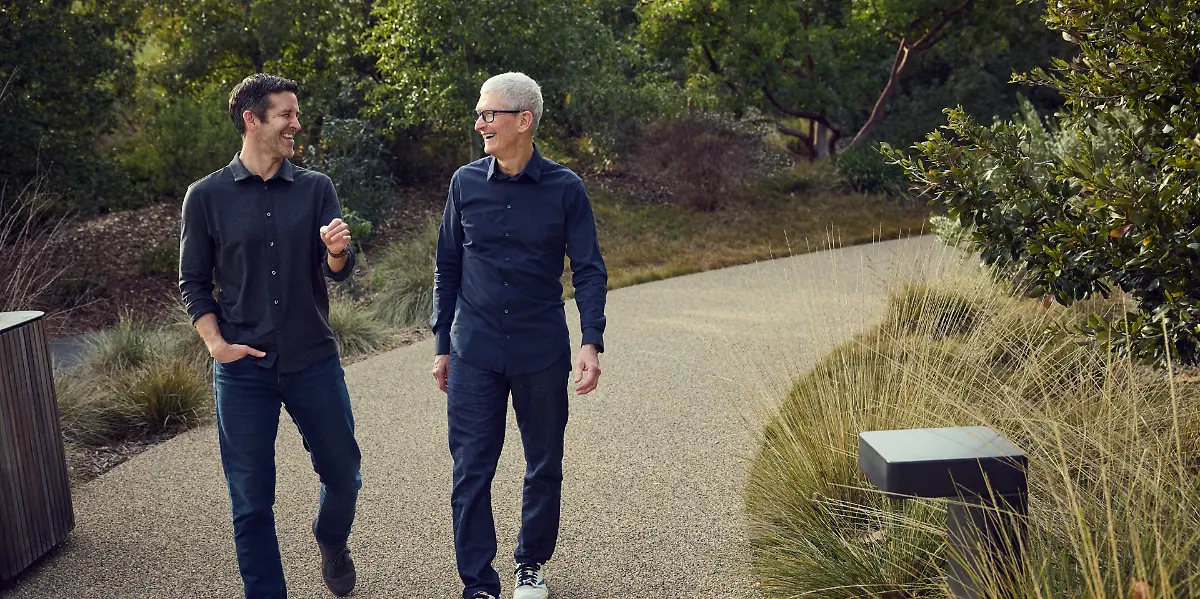
Tim Cook has announced he will step down as CEO of Apple, marking one of the biggest leadership changes in the company’s modern history. He will transition into the role of executive chairman, while longtime hardware chief John Ternus is set to take over as CEO on September 1, 2026. The move signals a carefully planned succession as Apple prepares for its next chapter, particularly in artificial intelligence and future product innovation.
In a surprise announcement that sent shockwaves through the tech industry, Apple confirmed that Tim Cook will step down as chief executive officer later this year, ending a 15-year tenure that transformed the company into one of the most valuable businesses in the world.
Cook, who has led Apple since 2011 following the era of Steve Jobs, will officially hand over the CEO role on September 1, 2026. He is expected to remain closely involved with the company as executive chairman of the board, continuing to influence strategic direction and global policy engagement.
His successor, John Ternus, currently serves as Apple’s senior vice president of hardware engineering and has long been seen as a key figure behind many of the company’s flagship products.
A carefully planned transition
Apple described the leadership change as part of a long-term succession strategy, approved unanimously by its board.
Unlike previous leadership shifts, this transition appears structured and deliberate, aimed at ensuring continuity during a critical period for the company.
Cook himself called his time as CEO “the greatest privilege” of his life, reflecting on years spent leading one of the most influential technology firms globally.
Cook’s legacy: growth, services, and global scale
During Cook’s tenure, Apple expanded far beyond its reliance on the iPhone. The company introduced major new product categories such as the Apple Watch and AirPods, while rapidly growing its services business — now generating tens of billions annually.
Financially, the company reached unprecedented heights, becoming the first trillion-dollar company in 2018 and later surpassing a valuation of $4 trillion.
At the same time, Cook’s era was not without challenges. Apple faced criticism over its slower progress in artificial intelligence and mixed reactions to newer products like the Vision Pro headset.

What comes next for Apple
With John Ternus stepping into the CEO role, attention now turns to Apple’s future strategy—particularly its ability to compete in the rapidly evolving AI landscape.
Ternus, an engineer by background and a longtime Apple insider, is expected to focus on product innovation and hardware development, while building on the operational foundation established by Cook.
The leadership change comes at a pivotal moment, as Apple faces increasing competition from rivals investing heavily in artificial intelligence and next-generation computing platforms.
A defining moment
Cook’s departure as CEO marks the end of a defining chapter in Apple’s history—one characterized by stability, massive growth, and the evolution of Apple into a global ecosystem of devices and services.
As the company prepares for its next era under new leadership, the question now is whether Apple can replicate its past success while navigating the technological shifts that will define the future of the industry.